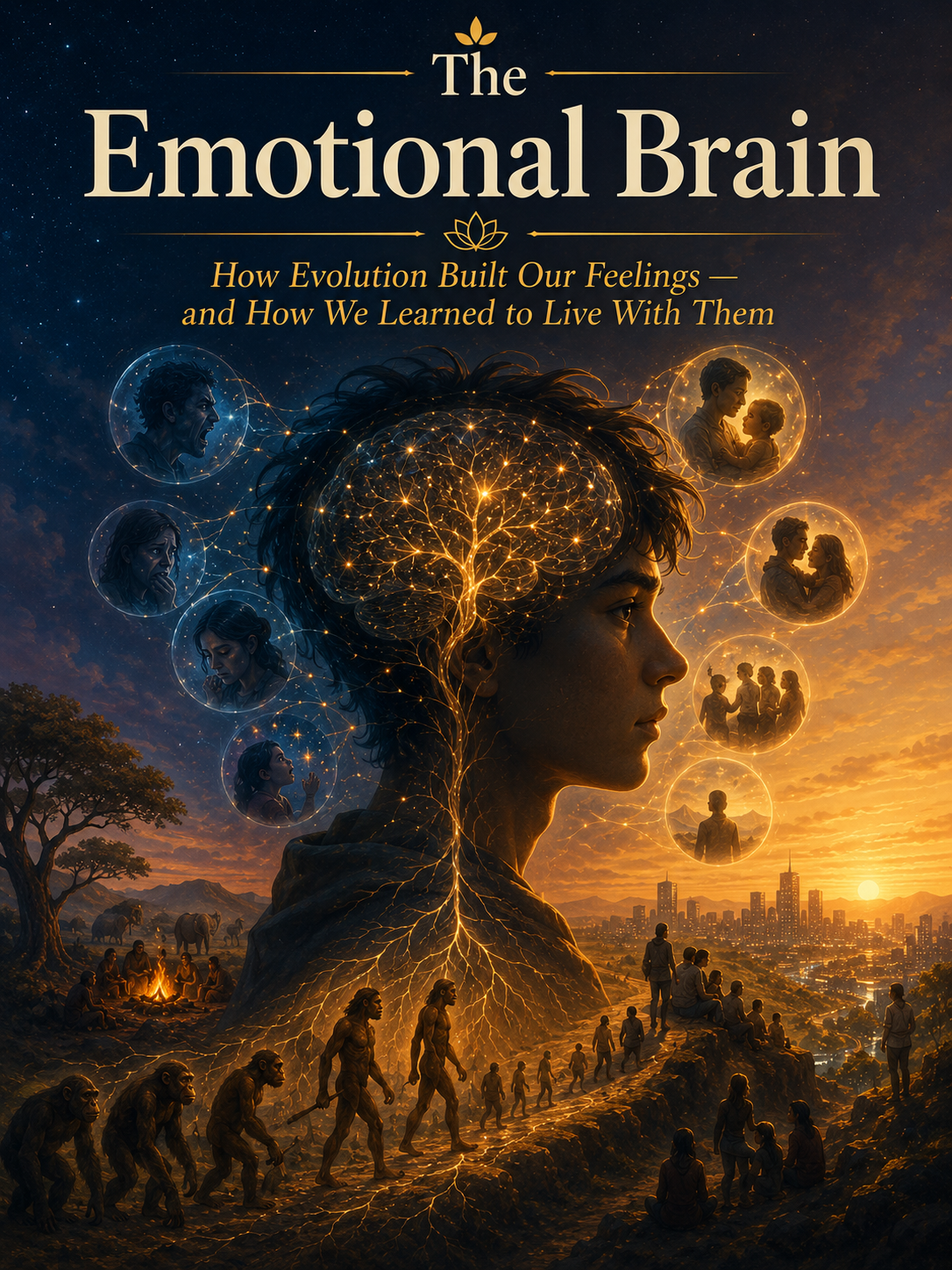
"Our emotions were not designed to make us happy. They were designed to keep us alive."
This series explores how evolution shaped the emotional brain — and how understanding that ancient inheritance can help us live more wisely with our feelings today.
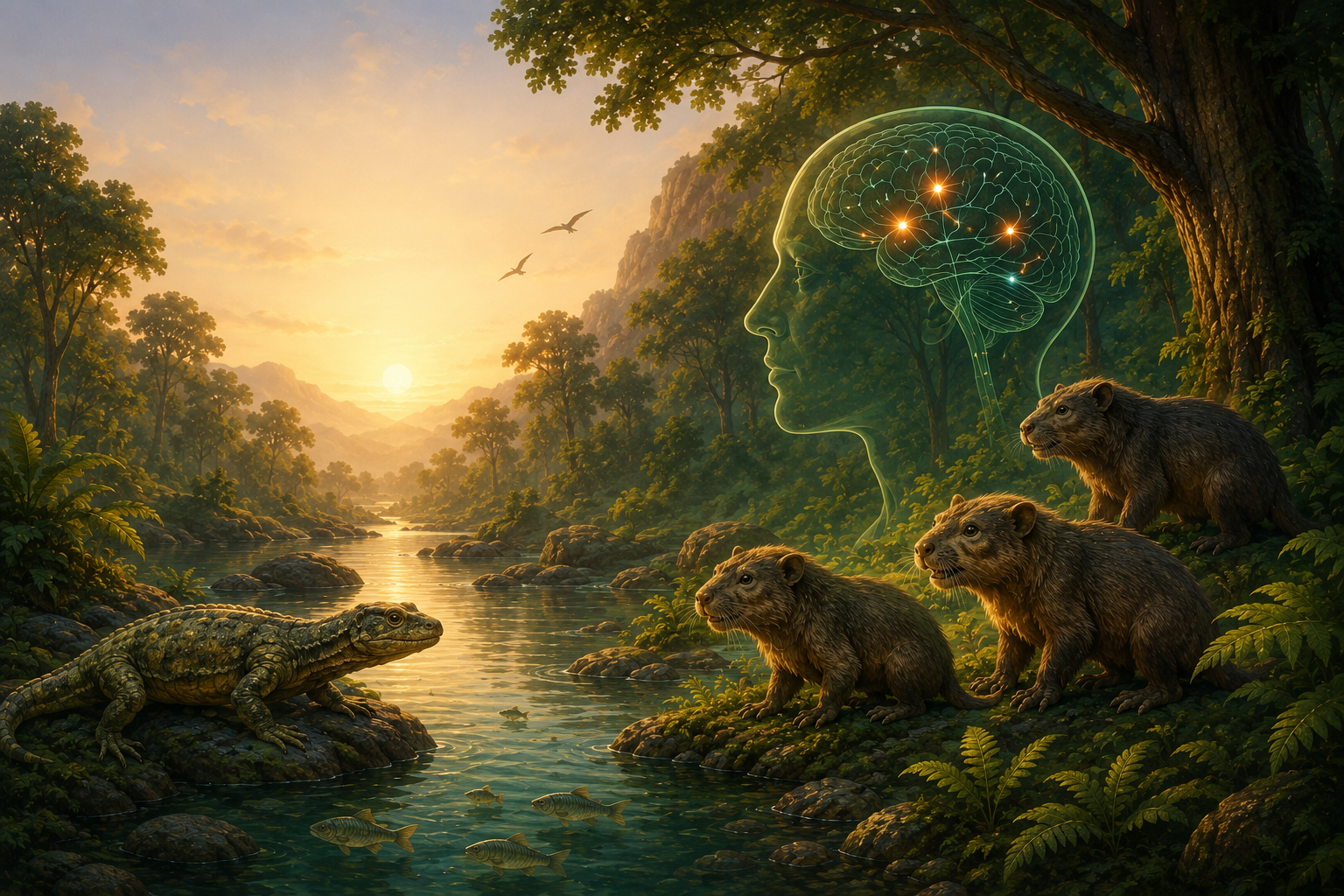
Before Happiness and Sadness
We begin long before humans. Early life didn't need happiness or sadness — it needed systems that increased survival. Simple responses gradually evolved into emotions that encouraged approaching opportunities and avoiding danger. Emotions were never accidents; they were adaptive tools.
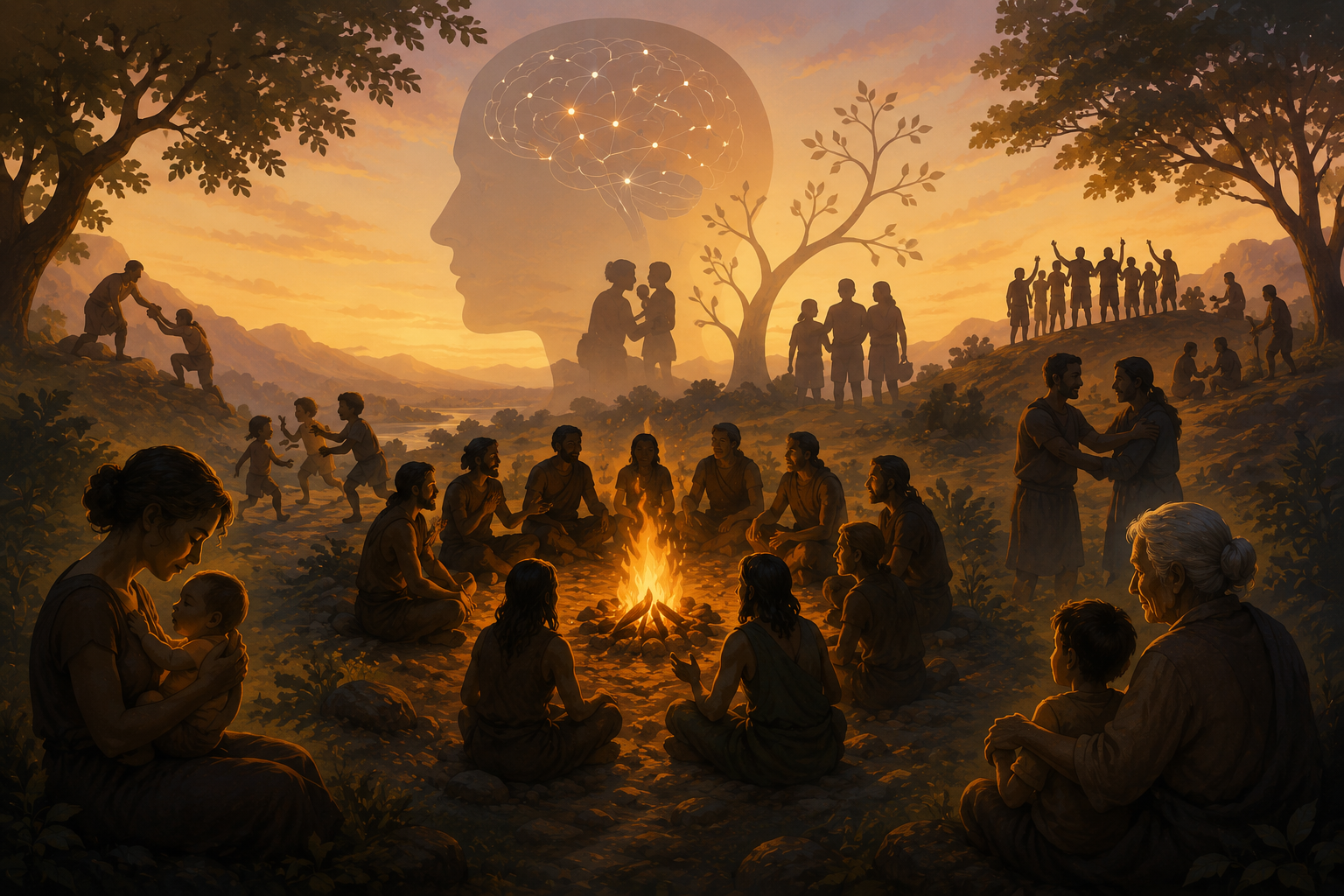
The Feelings That Made Us Human
As humans formed families, tribes, and communities, new emotions emerged: attachment, grief, embarrassment, pride, guilt, belonging, loneliness. These weren't random — they helped people live together, raise children, and cooperate. Why do human emotions feel so deeply social?
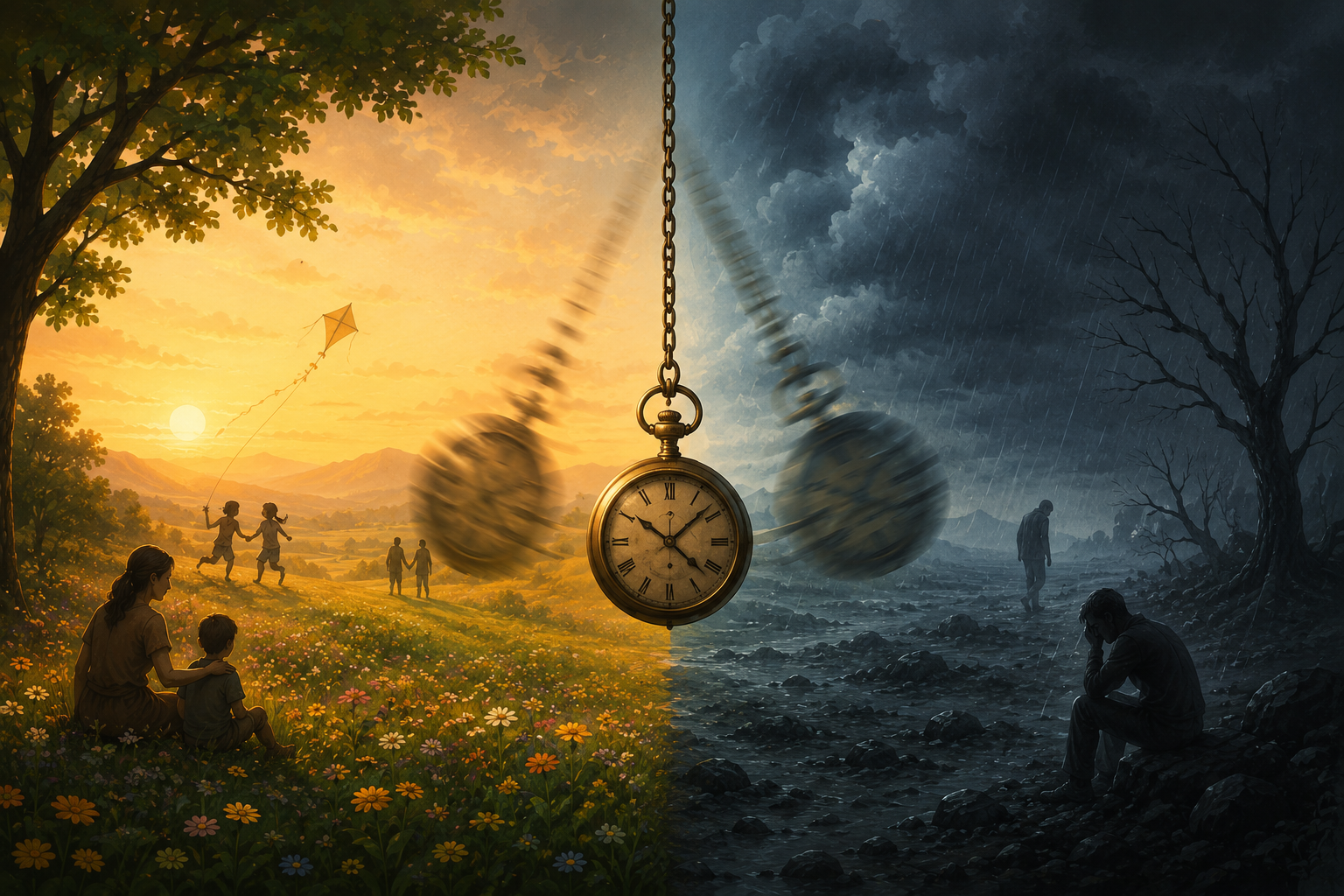
Why the Pendulum Never Stops
This chapter explores why joy fades, why sorrow eventually softens, and why the brain naturally keeps moving between emotional states. The pendulum isn't a flaw — it's part of how our emotional systems evolved. Why don't happiness and sadness last forever?
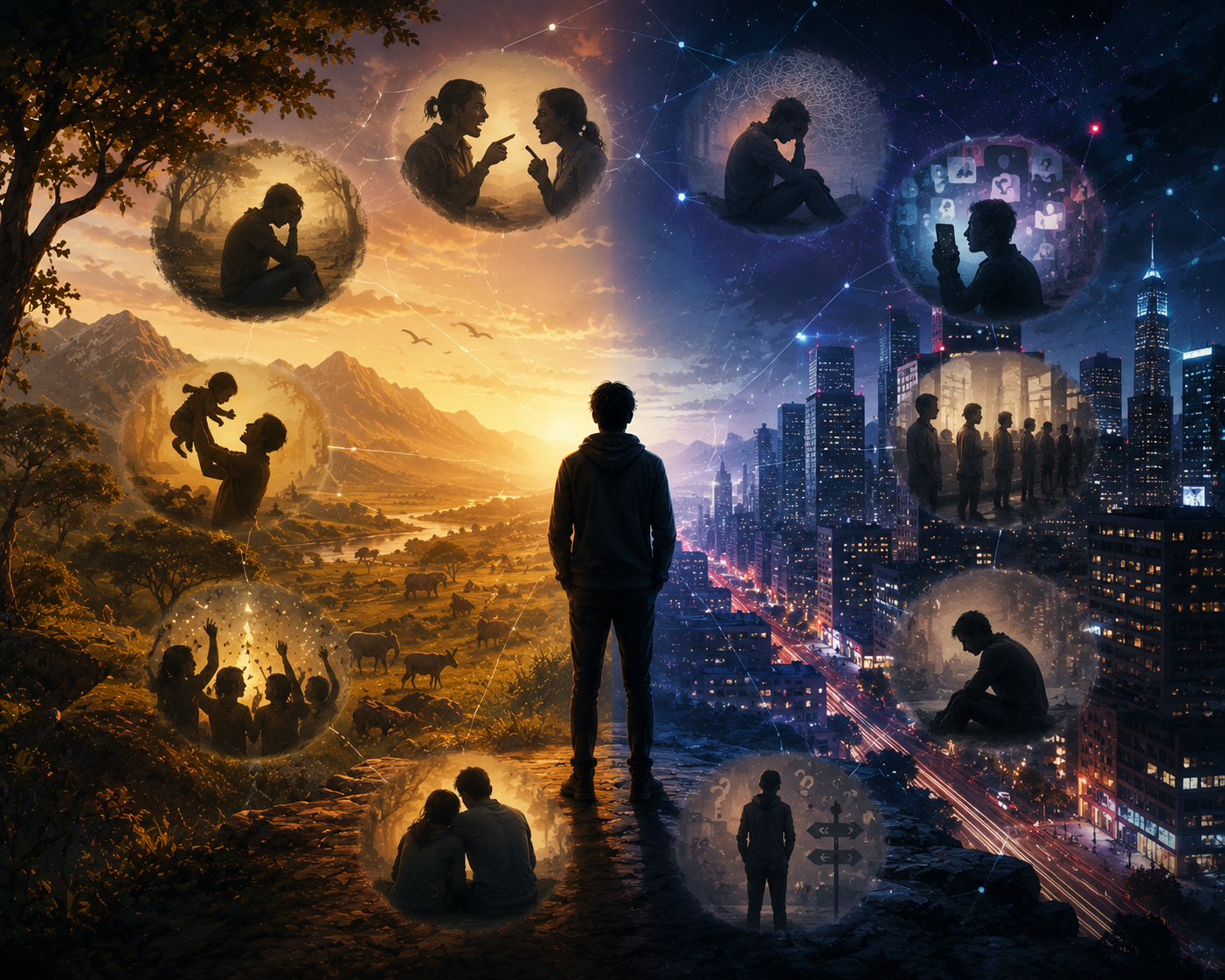
Ancient Emotions in a Modern World
This is where you will see yourself — not through specific events, but through universal patterns: criticism, uncertainty, comparison, waiting, rejection, change, and loss. The world has changed far more quickly than the emotional machinery inside us. Why do modern situations feel so emotionally intense?
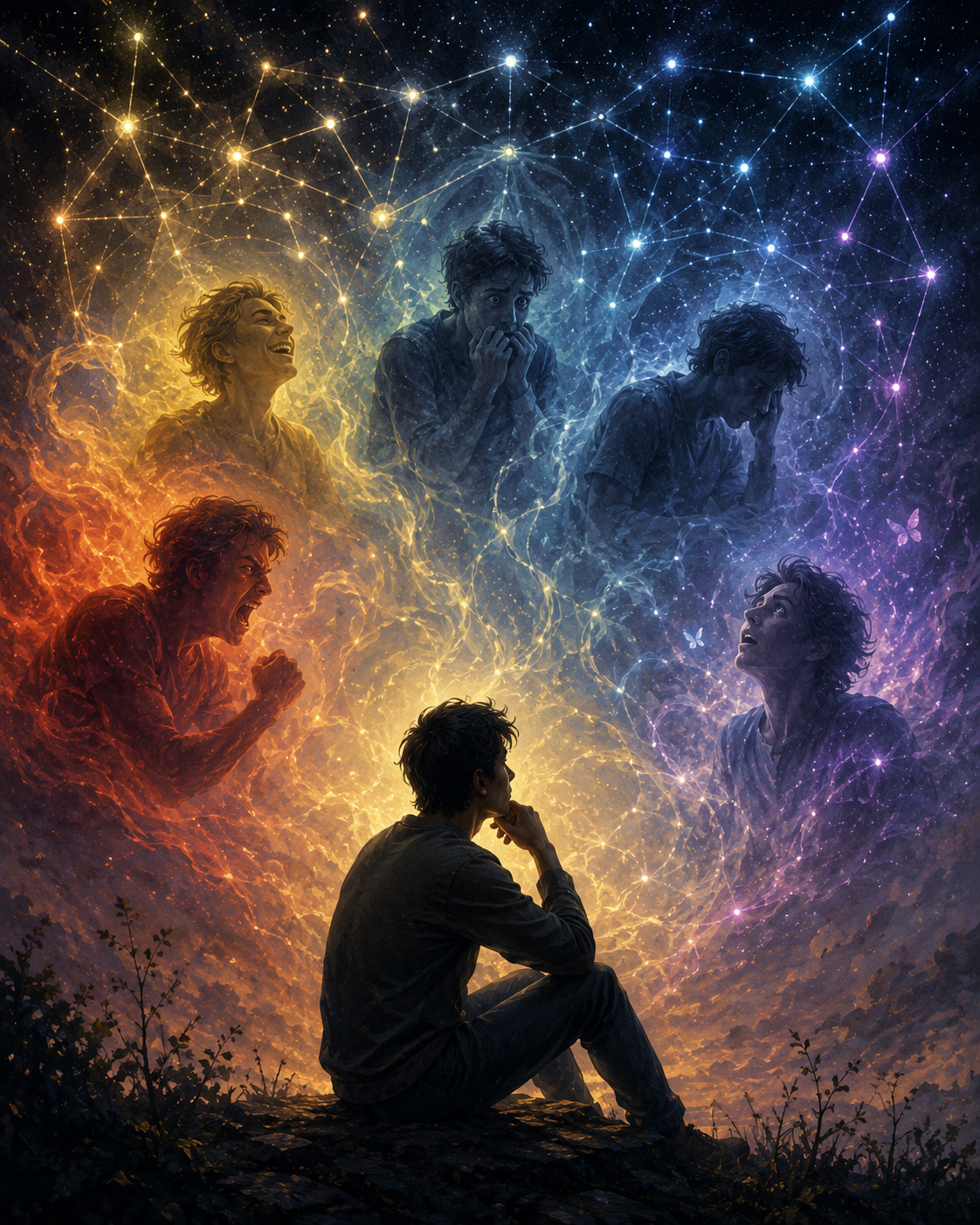
The Brain That Learns About Itself
For millions of years humans simply experienced emotions. Then something remarkable happened. Through language, memory, storytelling, and reflection, people began noticing recurring emotional patterns. Across cultures, they observed that emotions come and go, and that understanding them can bring perspective. When did we begin noticing our own minds?
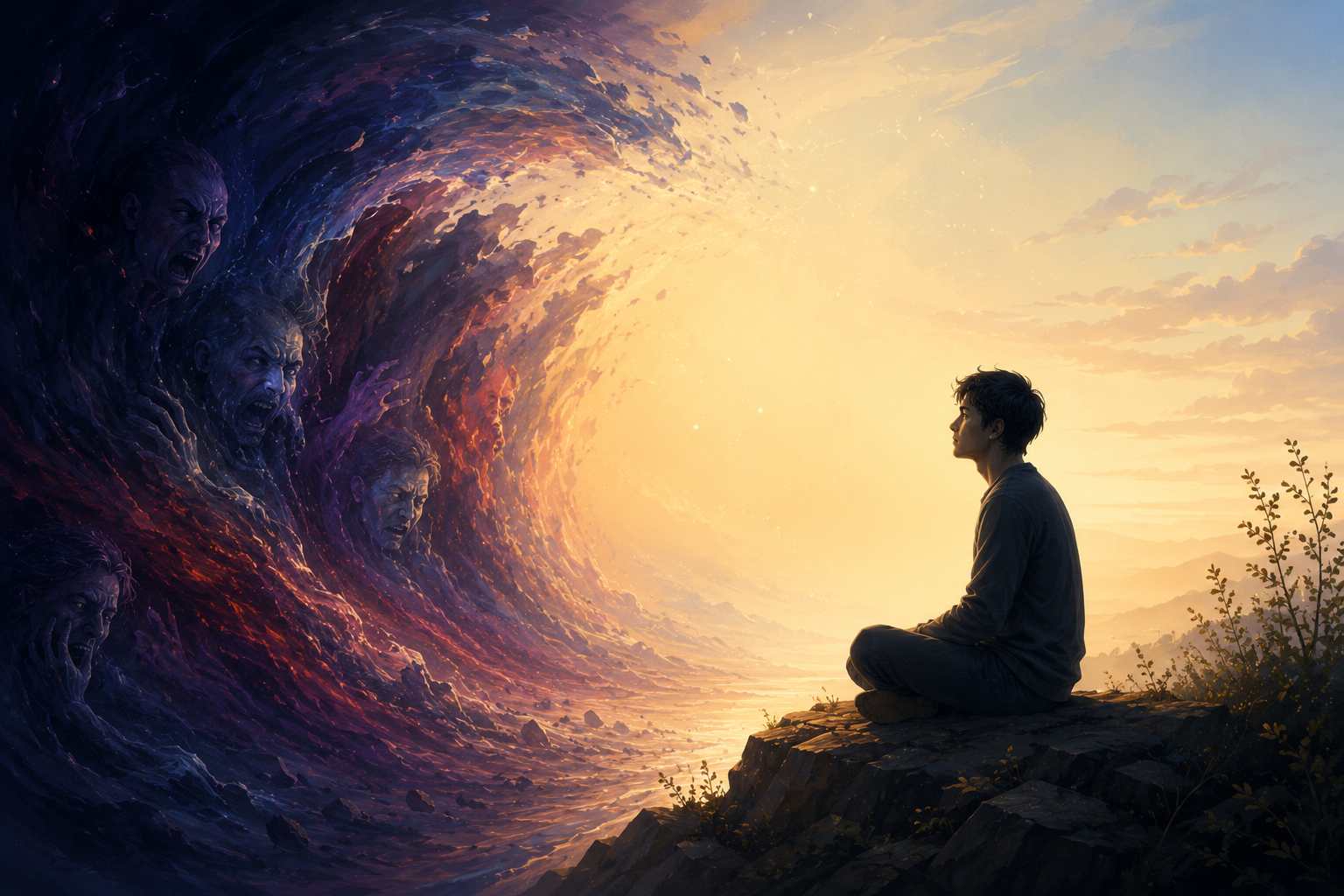
The Space Between Feeling and Response
This chapter explores one of the most remarkable developments in human history: the ability to pause, reflect, and choose a response. Evolution provided rapid reactions. Human learning gradually expanded the space in which thoughtful responses became possible. Can awareness change how we respond without changing what we feel?
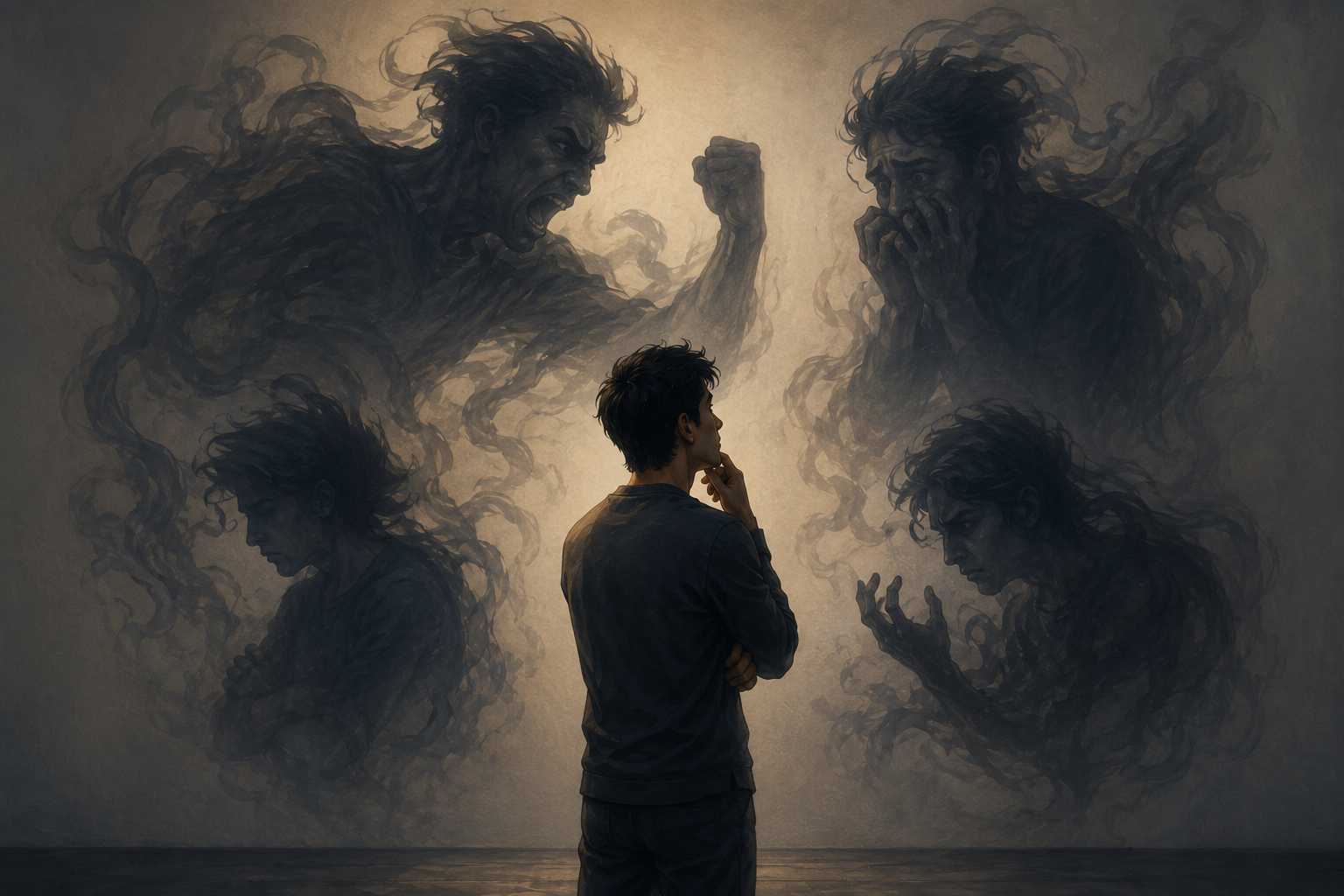
Understanding Without Excusing
This chapter ties together explaining why fear, anger, envy, shame, or sadness exist is not the same as approving every action they might inspire. Understanding is not acceptance. Explaining is not approving. Does understanding an emotion change how we see it?
The Emotional Brain
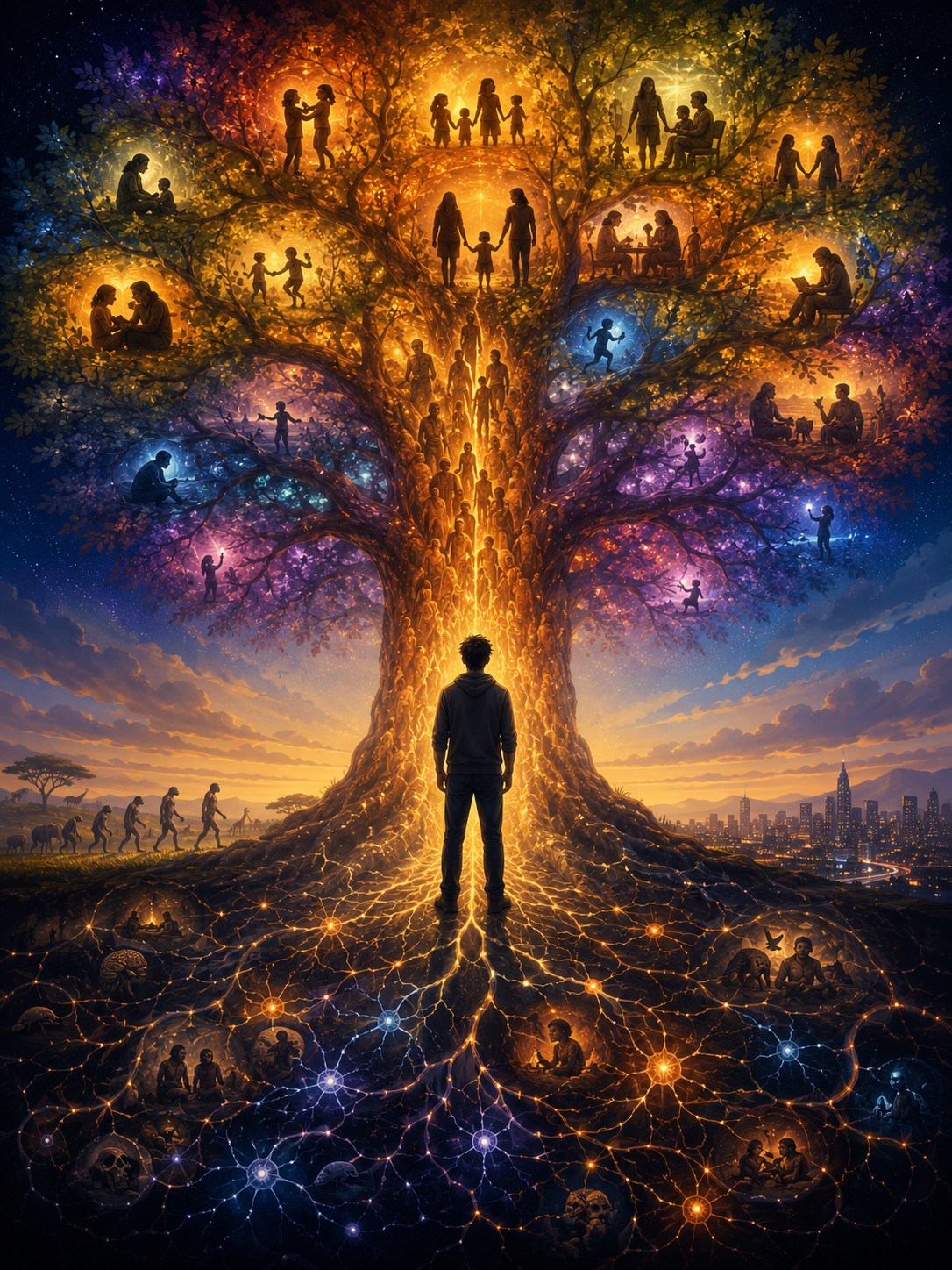
The final chapter brings the entire journey together. Evolution gave us an emotional brain capable of extraordinary love, courage, grief, curiosity, fear, joy, and hope. The pendulum still swings — as it always will — but humanity discovered that awareness offers another possibility: not a life without emotion, but a steadier relationship with it.